18 Jul 2026
Behavioral Algorithms at Play: How Data Analytics Tailor Reward Pathways in Mobile and Desktop Slot Interfaces

Slot interfaces on both mobile and desktop platforms rely increasingly on behavioral algorithms that process player interaction data to adjust reward structures in real time, and these systems track metrics such as session duration, bet frequency, and feature engagement rates to refine how bonuses and payouts appear to individual users. Data analytics platforms collect anonymized logs from millions of spins daily, allowing operators to segment audiences by play style and then modify elements like bonus trigger probabilities or free spin allocations without altering the underlying random number generator.
Data Collection Mechanisms in Slot Environments
Operators gather information through embedded telemetry that records every tap, swipe, and pause across device types, while desktop sessions often yield longer continuous data streams compared to the fragmented patterns typical of mobile play, and these datasets feed into machine learning models that identify clusters of similar behavior. Research from academic institutions such as those affiliated with the University of Nevada, Las Vegas has documented how such tracking reveals preferences for high-volatility versus steady-reward sequences, enabling the algorithms to prioritize certain reward pathways for each cluster.
Device-specific variables enter the equation as well, because screen size influences how visual cues like near-miss animations or progress bars are perceived, and mobile users frequently encounter shorter attention windows that prompt quicker bonus deployments to maintain engagement levels. Analytics engines cross-reference location data, time-of-day patterns, and historical deposit amounts to calibrate the intensity of reward feedback loops, ensuring the system responds dynamically rather than through static programming.
Personalization of Reward Pathways
Once behavioral profiles form, algorithms adjust the timing and type of rewards delivered during play, so a user who favors frequent small wins might receive more regular mini-bonuses while another who chases larger jackpots sees extended sequences without intermediate payouts, and these shifts occur through backend parameter tweaks that maintain regulatory compliance. Evidence from industry reports indicates that such tailoring increases session length on average by aligning perceived value with individual expectations, yet the core mathematics of each game remains unchanged across the player base.
Platform Differences Between Mobile and Desktop
Mobile interfaces emphasize rapid reward delivery because touch interactions allow faster decision cycles, and algorithms often accelerate bonus cascades or stack free spins earlier in sessions to match shorter play bursts common on smartphones, whereas desktop environments support more layered reward structures that unfold over extended periods with deeper feature trees. Data streams from tablets sometimes bridge these categories by combining portability with larger displays, leading models to treat them as hybrid cases that receive blended pathway adjustments.
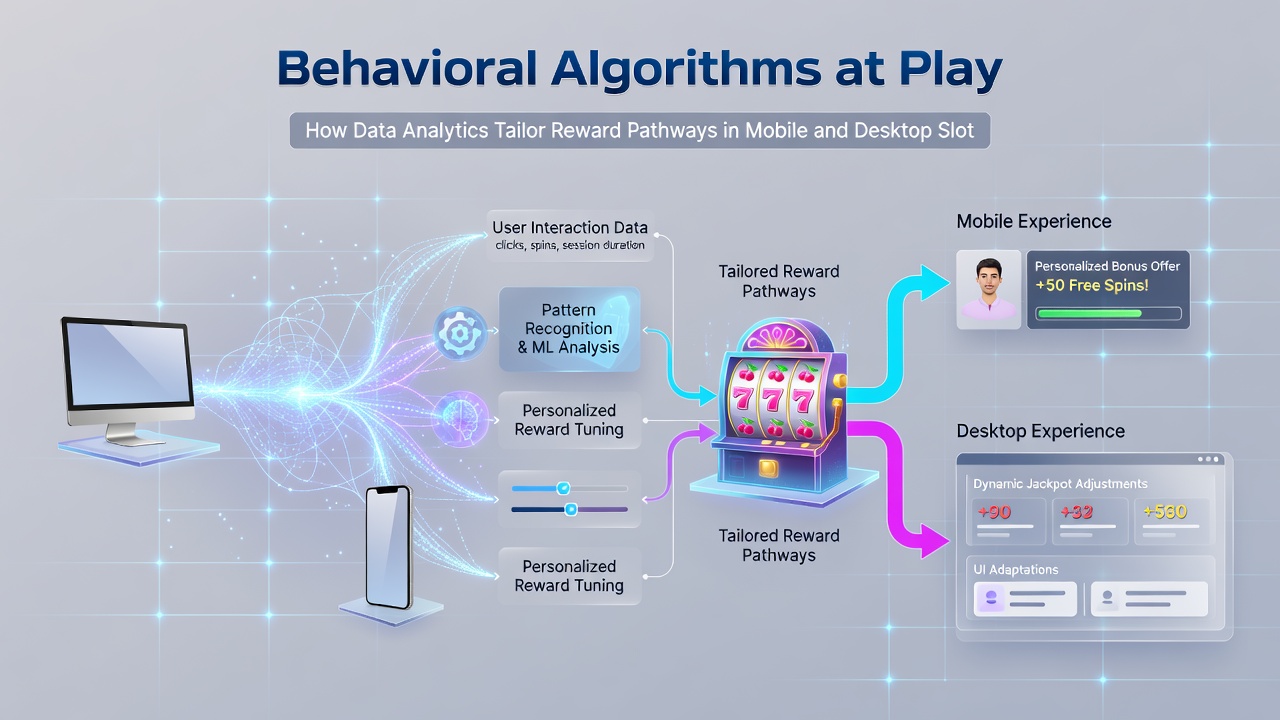
Cross-device continuity features further complicate teh picture, since players who switch between platforms within a single account generate unified profiles that algorithms use to maintain consistent reward pacing regardless of hardware, and operators monitor these transitions through unique identifiers to prevent abrupt shifts that could disrupt engagement patterns.
Regulatory Context and July 2026 Developments
Global regulatory bodies continue to examine how behavioral targeting intersects with responsible gaming standards, and updates scheduled for mid-2026 in several jurisdictions will require clearer disclosure of algorithmic personalization in player-facing terms and conditions. Figures from the Malta Gaming Authority show rising scrutiny of data-driven reward systems, prompting developers to build audit trails that demonstrate fairness while still permitting dynamic adjustments based on observed behavior.
Similar reviews appear in Canadian provincial frameworks and Australian state oversight bodies, where emphasis falls on preventing over-personalization that could encourage extended play without adequate safeguards, and these evolving rules influence how analytics teams structure their models to remain compliant across borders.
Implementation Examples Across Operators
Take one major platform that integrated behavioral segmentation in 2024, where desktop users showing high feature-interaction rates began receiving priority access to progressive elements while mobile counterparts saw accelerated accumulation toward smaller fixed rewards, and the change produced measurable differences in retention metrics without violating payout percentage requirements. Another case involved a studio that deployed A/B testing across regions to compare reward timing, revealing that European players responded more strongly to visual progress indicators than North American cohorts who preferred direct bonus notifications.
These implementations rely on continuous model retraining as new data arrives, allowing pathways to evolve with shifting player demographics, and observers note that successful deployments balance commercial objectives against transparency obligations that regulators increasingly demand.
Conclusion
Behavioral algorithms combined with data analytics now shape reward delivery in slot interfaces by processing device-specific and player-specific signals to create tailored experiences that differ between mobile and desktop environments, and ongoing regulatory developments through July 2026 will likely standardize disclosure practices around these systems. Industry organizations such as the American Gaming Association track these trends through aggregated reports that highlight both operational efficiencies and compliance considerations, while further insights from sources like the Australian Institute of Criminology provide comparative perspectives on how personalization affects player behavior across markets. The underlying technology continues to advance through iterative refinement of the models that connect raw interaction data to visible reward outcomes.